Westerham was recorded as early as the 9th Century and is chronicled in the Domesday Book, in a Norman form, as 'Oistreham'. 'Ham' is a Saxon word meaning a 'village or homestead', and so Westerham is literally a 'westerly homestead'.
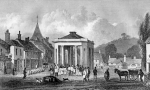
The manor was originally run by Godwin, Earl of Kent and later by his son, Harold, the last Saxon King of England. The first Norman lord of Westerham was Eustace II of Boulogne. By 1227, Henry III granted Westerham a market charter, making the new village a major player in the buying and selling of cattle in Kent, a tradition that survived until 1961, when the last cattle market was held.
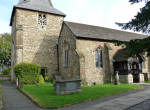
The church is dedicated to St Mary the Virgin, and was built in the 13th Century, although it has been added to and restored many times since. On one occasion in 1883, the Archbishop of Canterbury rededicated the church following major restoration.
Westerham Railway station opened on the 1st January 1878, after residents had petitioned parliament. In the 1950's much of the track was required for a new orbital motorway. The final day of passenger operation was on 28th October 1961, and was probably the line's busiest since the original opening eighty years previously....more